
How to Tell If Diamond Jewellery Is Actually Worth the Price Tag
Explains how to judge fair pricing on diamond jewellery instead of relying on appearance or sales pitch. Key points: Certification first — GIA/IGI certificates matter more than how a stone looks under store lighting Price breakdown — diamond quality (4Cs), metal value, and making charges are the three components; making charges vary most between jewellers Setting tricks — halo/cluster settings can inflate perceived size; always ask for the center stone's actual carat weight, not total carat weight Cross-shop before buying — compare similarly certified pieces across stores to spot under- or over-pricing After-sale value matters — cleaning, resizing, and warranty coverage affect long-term worth, not just the purchase price Includes a quick checklist of questions to ask before buying
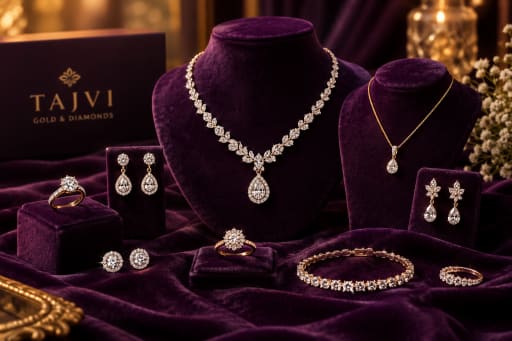
Walk into any jewellery store and you'll notice something quickly: two pieces can look nearly identical side by side, yet carry wildly different price tags. For most buyers, this is where things get confusing. Is the more expensive piece genuinely better, or are you just paying for the brand name on the box? It's a fair question, and one that doesn't get answered honestly often enough.
https://www.tajvigold.com/diamond-jewellery
Here's how to actually judge whether Diamond Jewellery is priced fairly, without relying on guesswork, gut feeling, or a salesperson's word.
Start With the Certificate, Not the Sparkle
A diamond's brilliance under store lighting tells you very little about its actual value. Stores are lit specifically to make every stone look its best, which means visual impression alone is one of the least reliable ways to judge quality.
What actually matters is certification, ideally from GIA or IGI, which independently verifies cut, clarity, color, and carat weight. Two diamonds that look equally impressive to the eye can differ significantly in grade, and that difference is exactly what the price should reflect. A diamond with a higher clarity grade or better cut precision will often cost more, even if a lower-grade stone looks similar in a quick glance.
If a store can't produce a proper certificate on request, or offers only an in-house grading report, treat that as a serious red flag regardless of how good the piece looks in person. Certification isn't a formality, it's the only objective way to compare pieces from different stores.
Understand What You're Actually Paying For
The price of any diamond piece typically breaks down into three parts:
The diamond itself, based on the 4Cs, cut, color, clarity, and carat weight
The metal used for the setting, gold purity or platinum content
The making charge, which covers craftsmanship and design labor
Making charges vary a lot between jewellers, sometimes by a significant margin, even for near-identical designs. This is often where the real price difference between two similar-looking pieces comes from, not the diamond quality itself. A jeweller with lower overhead or simpler designs may charge less for essentially the same diamond specifications as a competitor charging considerably more.
It helps to ask for an itemized breakdown before buying. A jeweller confident in their pricing will usually show you exactly how the final number was calculated, rather than quoting one lump sum.
Watch Out for Setting Tricks
Some settings are designed to make a smaller diamond appear larger, using extra metal, clustered smaller stones, or halo designs that add visual size without adding real carat weight. There's nothing inherently wrong with these styles, they're popular for good reason, but you should know exactly what you're paying for.
Ask for the actual carat weight of the center stone specifically, not just the total carat weight of the piece. A ring advertised at "1 carat total weight" might have a much smaller center diamond than you'd expect, with the rest made up of smaller accent stones. This distinction matters both for pricing and for resale value later.
Compare Across a Few Stores Before Deciding
Pricing for Diamond Jewellery can vary more than people expect, even within the same city, sometimes even within the same neighborhood. Before committing to a purchase, it's worth comparing a few options with similar certification and specs.
If one piece is priced noticeably lower than others with the same grading, ask why. Sometimes it's genuinely a better deal, other times it signals a lower-quality setting, hidden making charges, or a certificate from a less rigorous lab. If it's priced much higher with no clear difference in quality, ask that too. Brand markup is real, and it's worth knowing when you're paying for it versus paying for the diamond itself.
Factor in After-Sale Value
Fair pricing isn't just about the purchase moment. Check what's included afterward, cleaning services, resizing, warranty coverage, and exchange policies. A slightly higher price that comes with strong after-sale support often works out better long-term than a cheaper piece with no service backing it.
This is especially relevant for pieces you plan to wear regularly. Prong checks, professional cleaning, and resizing over time all add real cost if they're not included, and skipping them can quietly reduce the piece's condition and value years down the line.
A Few Questions Worth Asking Before You Buy
Is the certificate from GIA or IGI, or an in-house lab?
What is the exact carat weight of the center stone versus the total?
Does the price include a full breakdown of stone, metal, and making charges?
What's covered after purchase, cleaning, resizing, warranty?
How does this piece compare to similar options elsewhere?
The Bottom Line
Judging whether diamond jewellery is worth its price isn't about trusting instinct or store lighting. It comes down to certification, transparent breakdowns of cost, and comparing similar pieces before deciding. Once you know what actually drives the price, it becomes much easier to tell genuine value from clever presentation, and much harder for anyone to overcharge you without you noticing.
At Tajvi Gold & Diamonds, pricing is broken down clearly for every piece, certification, metal, and making charges, so customers know exactly what they're paying for before they buy.